



NAD+ SCIENCE
Discover The Science Behind NAD+
NAD+ powers your body’s energy metabolism and plays a vital role in DNA repair, cellular function, and a healthy immune response.
The critical role of NAD+ in cellular health
NAD+ is a vital coenzyme present in every cell of the body, including those in the heart, brain, muscles, and lungs. It transforms nutrients into usable energy and supports essential metabolic processes by regulating how our cells function.By transferring electrons between molecules, NAD+ powers the production of cellular energy and plays a key role in maintaining the body’s circadian rhythm, the internal clock that governs our sleep–wake cycle.
NAD+ supports metabolism in two essential ways. First, it enables the conversion of nutrients into usable cellular energy. Second, it acts as a coenzyme, working alongside key proteins that regulate critical cellular processes.Together, these functions help maintain overall health, support healthy ageing, and promote resilience against a range of age-related conditions.
How NAD+ can help you
NAD+ plays a key role in supporting metabolic pathways, DNA repair, cellular ageing, and immune cell function, both directly and indirectly.These processes are essential for maintaining strong physical and mental health, enhancing the body’s resilience to illness, and promoting healthy ageing.
NAD+ levels naturally decline with age, and this reduction is associated with cognitive decline, metabolic dysfunction, increased frailty, and other age-related changes. Research suggests that supporting or restoring NAD+ levels may help slow, and in some cases potentially counteract, aspects of biological ageing.As a result, NAD+ metabolism has become a key focus in the search for strategies that promote healthy ageing and support a longer healthspan, the years of life spent in good health.


Human Performance
Human Performance focuses on optimising how your brain and body function under pressure. By supporting cellular energy, cognitive clarity, physical endurance, and recovery, NAD+ helps you maintain focus, resilience, and stamina during demanding physical and mental challenges, enabling you to perform at your best, consistently and sustainably.
Enhanced Energy Production
NAD+ plays a vital role in supporting mitochondrial function, the energy-producing powerhouse of the cell, helping to optimise energy production and promote greater endurance.
Improved Mental Clarity and Focus
Optimising NAD+ levels may support cognitive function, helping to enhance mental focus, improve clarity, and promote overall cognitive performance.
Enhanced Athletic Performance
Optimising NAD+ levels may support athletic performance by promoting healthy muscle function, improving endurance, and helping to reduce feelings of fatigue.
Increased Resilience and Endurance
By supporting cellular resilience, NAD+ helps your body better withstand the demands of intense physical and mental exertion, while also promoting faster, more efficient recovery.


Longevity
Longevity means preserving vitality, clarity, and physical capability as you age. By supporting cellular energy, DNA repair, metabolic health, and stress resilience, NAD+ plays a key role in promoting healthy ageing and long-term wellbeing, helping you maintain a higher quality of life for longer.
Enhanced Cellular Function
NAD+ supplementation supports healthy mitochondrial function, helping to optimise cellular energy production and promote overall vitality and wellbeing.
DNA Repair and Maintenance
NAD+ plays an essential role in supporting DNA repair processes, helping to maintain genomic stability and limit the accumulation of age-related cellular damage.
Improved Metabolic Health
Optimising NAD+ levels may help support healthy metabolic function, including the regulation of glucose and lipid metabolism, key processes that contribute to long-term health and longevity.
Increased Resilience to Stress
NAD+ supplementation may help support healthy cellular stress responses, enhancing the body’s resilience to environmental and oxidative stressors and contributing to long-term wellbeing.


Sexual Health
Sexual health reflects energy, confidence, and overall vitality. By supporting cellular energy, circulation, nervous system balance, and resilience to stress, NAD+ helps promote healthy sexual function and wellbeing, supporting intimacy and quality of life at every stage.
Optimised Hormonal Balance
NAD+ supports healthy cellular processes that influence hormone regulation, helping to promote balance and stability within the body’s endocrine system.
Hormonal Support for Menopause & Andropause
NAD+ therapy may help support hormonal balance and overall wellbeing during menopause and andropause, contributing to improved energy, mood stability, and sexual wellness as the body adapts to age-related hormonal changes.
Enhanced Libido & Sexual Vitality
By supporting healthy cellular function and overall vitality, NAD+ may help enhance libido, boost desire, and promote deeper intimacy and connection.
Boosting Fertility
By supporting healthy cellular function, NAD+ may contribute to overall reproductive wellness for both men and women, helping to create conditions that support optimal reproductive health.


Sleep & Circadian Rhythm
Sleep is when the body repairs, resets, and restores. By supporting cellular recovery, circadian rhythm balance, and nervous system regulation, NAD+ helps promote deeper, more restorative sleep , laying the foundation for energy, focus, and long-term health.
Sleep Wake Cycles
NAD+ plays a vital role in regulating your body’s natural sleep–wake rhythm, your internal biological clock that keeps you energised by day and restores you at night. By supporting the cellular processes that influence melatonin release, cortisol balance, and metabolic regulation, NAD+ helps synchronise your circadian rhythm for deeper, more restorative sleep.
Hormone Release (Melotonin, Cortisol)
NAD+ plays an essential role in regulating key hormones that shape your sleep, energy, and daily performance. By supporting the cellular pathways that influence melatonin and cortisol production, NAD+ helps maintain a healthy hormonal rhythm throughout the day.Melatonin, the hormone responsible for preparing your body for deep, restorative sleep, relies on balanced NAD+ levels for optimal release. Cortisol, your natural “wake-up” and stress-response hormone, also depends on NAD+ to stay in sync, ensuring you feel energised in the morning and calm as the day winds down.By harmonising these hormonal patterns, NAD+ promotes better sleep quality, steadier energy levels, and a more resilient stress response, helping you feel grounded and balanced from morning to night.
Body Temperature
Your body’s ability to maintain a stable temperature is essential for overall health, energy, and performance, and NAD+ plays a quiet yet powerful role in keeping this internal climate in balance.As a key regulator of cellular energy production, NAD+ helps fuel the metabolic processes that generate heat, allowing your body to adapt effortlessly to changes in your environment. Whether you’re cooling down for restful sleep or warming up for daily activity, NAD+ supports the smooth functioning of the systems that maintain thermal stability.By optimising cellular efficiency, NAD+ contributes to a more consistent and responsive temperature-regulation cycle, helping you feel comfortable, balanced, and at your best throughout the day and night.
Digestion & Metobolism
Healthy digestion and efficient metabolism are the foundation of energy, vitality, and long-term wellness and NAD+ plays a central role in both.As a key coenzyme in cellular energy production, NAD+ helps convert the nutrients you eat into usable fuel, supporting everything from digestive efficiency to metabolic balance. By optimising how your cells process carbohydrates, fats, and proteins, NAD+ promotes smoother digestion and a more stable, responsive metabolic system.Enhanced NAD+ levels can improve nutrient absorption, support healthy gut function, and help regulate metabolic pathways that influence weight, energy levels, and overall vitality. The result is a more balanced digestive system and a metabolism that works with you, not against you, keeping you energised, nourished, and performing at your best.


Hair & Skin
Hair and skin health begin at the cellular level. By supporting energy production, cellular repair, and resilience to oxidative stress, NAD+ helps promote stronger hair, healthier skin, and a more radiant, youthful appearance from within.
Improved Skin Health
NAD+ supports healthy cellular regeneration and plays a role in collagen-producing pathways, helping to maintain firmer, smoother, and more youthful-looking skin.
Enhanced Oxygen Flow
Optimal oxygen flow is essential for energy, mental clarity, and peak physical performance and NAD+ plays a vital role in making it all possible.By supporting mitochondrial efficiency, NAD+ helps your cells use oxygen more effectively, improving the way your body converts oxygen into clean, sustainable energy. This enhanced cellular respiration means your tissues, muscles, and organs receive the oxygen they need to function at their highest level.
Cellular Regeneration
NAD+ plays an important role in supporting cellular repair and regeneration, helping to promote healthy skin cell renewal and overall skin vitality.
Combat Hair Loss
NAD+ supplementation supports healthy cellular function within the hair follicles, helping to promote stronger, healthier-looking hair. By enhancing cellular repair and energy production, NAD+ may contribute to improved hair vitality, thickness, and overall scalp health.


Metabolic Syndrome & Weight Loss
Healthy weight management begins at the cellular level. By supporting energy production, insulin sensitivity, and metabolic efficiency, NAD+ helps promote sustainable weight management and long-term metabolic health supporting better energy, balance, and wellbeing.
Diabetes Management
Optimising NAD+ levels may help support healthy glucose metabolism and insulin sensitivity, contributing to more balanced blood sugar regulation and overall metabolic wellbeing.
Obesity
By supporting healthy mitochondrial function and promoting efficient fat metabolism, NAD+ supplementation may contribute to improved energy balance and support healthy weight management as part of a holistic wellness approach.
Metabolic Syndrome
NAD+ supplementation may help support key aspects of metabolic health by promoting healthy cellular energy production, balanced lipid metabolism, and overall metabolic efficiency. This holistic support can contribute to improved vitality and long-term metabolic wellbeing.
Liver Disease
NAD+ plays an essential role in supporting healthy liver function and natural detoxification processes. By promoting optimal cellular energy and repair within liver cells, NAD+ contributes to overall liver health and resilience, helping the body manage metabolic stress more effectively.
Degradation Vs Colour Change
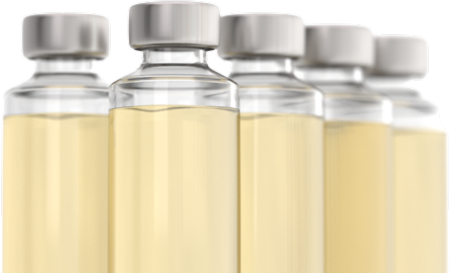
It’s a common misconception that any yellowish colour in NAD⁺ means the product has gone bad, but that’s simply not true. In fact, a gentle yellow tint is completely normal for pure, high-quality NAD⁺. Clear NAD+ is unnatural and an indication of synthetic stabilizers and non-pure food grade NAD+NAD⁺ is naturally sensitive to its environment, and variations in colour can occur without affecting its potency or effectiveness. Only significant, prolonged exposure to heat, light, or moisture leads to real degradation.So, if your NAD⁺ has a slight yellow hue, rest assured, it’s a natural characteristic of pure NAD⁺ and not a sign of reduced quality.
Browse the Research
Alano CC, Garnier P, Ying W, Higashi Y, Kauppinen TM, and Swanson RA. NAD+ depletion is necessary and sufficient for poly(ADP-ribose) polymerase-1-mediated neuronal death. J Neurosci 30: 2967–2978, 2010 [ PMC free article] [ PubMed] [ Google Scholar]
Benfeitas R, Uhlen M, Nielsen J, and Mardinoglu A. New challenges to study heterogeneity in cancer redox metabolism. Front Cell Dev Biol 5: 65, 2017 [ PMC free article] [ PubMed] [ Google Scholar]
Braidy N, Guillemin G, and Grant R. Promotion of cellular NAD(+) anabolism: therapeutic potential for oxidative stress in ageing and Alzheimer's disease. Neurotox Res 13: 173–184, 2008 [ PubMed] [ Google Scholar]
Braidy N, Poljak A, Grant R, Jayasena T, Mansour H, Chan-Ling T, Guillemin GJ, Smythe G, and Sachdev P. Mapping NAD(+) metabolism in the brain of ageing Wistar rats: potential targets for influencing brain senescence. Biogerontology 15: 177–198, 2014 [ PubMed] [ Google Scholar]
Godoy JA, Rios JA, Zolezzi JM, Braidy N, and Inestrosa NC. Signalling pathway cross talk in Alzheimer's disease. Cell Commun Signal 12: 23, 2014 [ PMC free article] [ PubMed] [ Google Scholar]
Godoy JA, Zolezzi JM, Braidy N, and Inestrosa NC. Role of Sirt1 during the ageing process: relevance to protection of synapses in the brain. Mol Neurobiol 50: 744–756, 2014 [ PubMed] [ Google Scholar]
Marohnic CC, Bewley MC, and Barber MJ. Engineering and characterization of a NADPH-utilizing cytochrome b5 reductase. Biochemistry 42: 11170–11182, 2003 [ PubMed] [ Google Scholar]
Massudi H, Grant R, Guillemin GJ, and Braidy N. NAD+ metabolism and oxidative stress: the golden nucleotide on a crown of thorns. Redox Rep 17: 28–46, 2012 [ PMC free article] [ PubMed] [ Google Scholar]
Spaans SK, Weusthuis RA, van der Oost J, and Kengen SW. NADPH-generating systems in bacteria and archaea. Front Microbiol 6: 742, 2015 [ PMC free article] [ PubMed] [ Google Scholar]
Tang KS, Suh SW, Alano CC, Shao Z, Hunt WT, Swanson RA, and Anderson CM. Astrocytic poly(ADP-ribose) polymerase-1 activation leads to bioenergetic depletion and inhibition of glutamate uptake capacity. Glia 58: 446–457, 2010 [ PubMed] [ Google Scholar]
Tao R, Kim SH, Honbo N, Karliner JS, and Alano CC. Minocycline protects cardiac myocytes against simulated ischemia-reperfusion injury by inhibiting poly(ADP-ribose) polymerase-1. J Cardiovasc Pharmacol 56: 659–668, 2010 [ PMC free article] [ PubMed] [ Google Scholar]
Warburg O. and Christian W. Pyridine, the hydrogen transferring element of fermentation enzymes (Pyridine-nucleotide.). Biochemische Zeitschrift 287: 291–328, 1936 [ Google Scholar]
Yin F, Boveris A, and Cadenas E. Mitochondrial energy metabolism and redox signaling in brain aging and neurodegeneration. Antioxid Redox Signal 20: 353–371, 2014 [ PMC free article] [ PubMed] [ Google Scholar]
Zeng J, Libien J, Shaik F, Wolk J, and Hernandez AI. Nucleolar PARP-1 expression is decreased in Alzheimer's disease: consequences for epigenetic regulation of rDNA and cognition. Neural Plast 2016: 8987928, 2016 [ PMC free article] [ PubMed] [ Google Scholar]
Abeti R. and Duchen MR. Activation of PARP by oxidative stress induced by beta-amyloid: implications for Alzheimer's disease. Neurochem Res 37: 2589–2596, 2012 [ PubMed] [ Google Scholar]
Balu M, Mazhar A, Hayakawa CK, Mittal R, Krasieva TB, Konig K, Venugopalan V, and Tromberg BJ. In vivo multiphoton NADH fluorescence reveals depth-dependent keratinocyte metabolism in human skin. Biophys J 104: 258–267, 2013 [ PMC free article] [ PubMed] [ Google Scholar]
Braidy N, Grant R, Adams S, and Guillemin GJ. Neuroprotective effects of naturally occurring polyphenols on quinolinic acid-induced excitotoxicity in human neurons. FEBS J 277: 368–382, 2010 [ PubMed] [ Google Scholar]
Busso N, Karababa M, Nobile M, Rolaz A, Van Gool F, Galli M, Leo O, So A, and De Smedt T. Pharmacological inhibition of nicotinamide phosphoribosyltransferase/visfatin enzymatic activity identifies a new inflammatory pathway linked to NAD. PLoS One 3: e2267, 2008 [ PMC free article] [ PubMed] [ Google Scholar]
Canto C, Houtkooper RH, Pirinen E, Youn DY, Oosterveer MH, Cen Y, Fernandez-Marcos PJ, Yamamoto H, Andreux PA, Cettour-Rose P, Gademann K, Rinsch C, Schoonjans K, Sauve AA, and Auwerx J. The NAD(+) precursor nicotinamide riboside enhances oxidative metabolism and protects against high-fat diet-induced obesity. Cell Metab 15: 838–847, 2012 [ PMC free article] [ PubMed] [ Google Scholar]
Diamond MP, Fletcher NM, Neubauer BR, Saed MG, H M AS, and Saed GM. Hypoxia-induced genotype switch in nicotinamide adenine dinucleotide phosphate (NADPH) oxidase through the up-regulation of cytidine deaminase regulates postoperative adhesion development. J Minim Invasive Gynecol 22: S159, 2015 [ PubMed] [ Google Scholar]
Gensler HL. Prevention of photoimmunosuppression and photocarcinogenesis by topical nicotinamide. Nutr Cancer 29: 157–162, 1997 [ PubMed] [ Google Scholar]
Grant RS. and Kapoor V. Murine glial cells regenerate NAD, after peroxide-induced depletion, using either nicotinic acid, nicotinamide, or quinolinic acid as substrates. J Neurochem 70: 1759–1763, 1998 [ PubMed] [ Google Scholar]
Guyton JR. Niacin in cardiovascular prevention: mechanisms, efficacy, and safety. Curr Opin Lipidol 18: 415–420, 2007 [ PubMed] [ Google Scholar]
Hershberger KA, Martin AS, and Hirschey MD. Role of NAD(+) and mitochondrial sirtuins in cardiac and renal diseases. Nat Rev Nephrol 13: 213–225, 2017 [ PMC free article] [ PubMed] [ Google Scholar]
Lehmann S, Costa AC, Celardo I, Loh SH, and Martins LM. PARP mutations protect against mitochondrial dysfunction and neurodegeneration in a PARKIN model of Parkinson's disease. Cell Death Dis 7: e2166, 2016 [ PMC free article] [ PubMed] [ Google Scholar]
Martire S, Fuso A, Mosca L, Forte E, Correani V, Fontana M, Scarpa S, Maras B, and d'Erme M. Bioenergetic impairment in animal and cellular models of Alzheimer's disease: PARP-1 inhibition rescues metabolic dysfunctions. J Alzheimers Dis 54: 307–324, 2016 [ PubMed] [ Google Scholar]
Martire S, Mosca L, and d'Erme M. PARP-1 involvement in neurodegeneration: a focus on Alzheimer's and Parkinson's diseases. Mech Ageing Dev 146–148: 53–64, 2015 [ PubMed] [ Google Scholar]
Oblong JE. The evolving role of the NAD+/nicotinamide metabolome in skin homeostasis, cellular bioenergetics, and aging. DNA Repair (Amst) 23: 59–63, 2014 [ PubMed] [ Google Scholar]
Shetty PK, Galeffi F, and Turner DA. Nicotinamide pre-therapy ameliorates NAD(H) hyperoxidation and improves neuronal function after severe hypoxia. Neurobiol Dis 62: 469–478, 2014 [ PMC free article] [ PubMed] [ Google Scholar]
Shi H, Sun N, Mayevsky A, Zhang Z, and Luo Q. Preclinical evidence of mitochondrial nicotinamide adenine dinucleotide as an effective alarm parameter under hypoxia. J Biomed Opt 19: 17005, 2014 [ PubMed] [ Google Scholar]
Soudijn W, van Wijngaarden I, and Ijzerman AP. Nicotinic acid receptor subtypes and their ligands. Med Res Rev 27: 417–433, 2007 [ PubMed] [ Google Scholar]
Surjana D, Halliday GM, Martin AJ, Moloney FJ, and Damian DL. Oral nicotinamide reduces actinic keratoses in phase II double-blinded randomized controlled trials. J Invest Dermatol 132: 1497–1500, 2012 [ PubMed] [ Google Scholar]
Tanno O, Ota Y, Kitamura N, Katsube T, and Inoue S. Nicotinamide increases biosynthesis of ceramides as well as other stratum corneum lipids to improve the epidermal permeability barrier. Br J Dermatol 143: 524–531, 2000 [ PubMed] [ Google Scholar]
Tong DL, Zhang DX, Xiang F, Teng M, Jiang XP, Hou JM, Zhang Q, and Huang YS. Nicotinamide pretherapy protects cardiomyocytes against hypoxia-induced cell death by improving mitochondrial stress. Pharmacology 90: 11–18, 2012 [ PubMed] [ Google Scholar]
Turunc Bayrakdar E, Uyanikgil Y, Kanit L, Koylu E, and Yalcin A. Nicotinamide therapy reduces the levels of oxidative stress, apoptosis, and PARP-1 activity in Abeta(1–42)-induced rat model of Alzheimer's disease. Free Radic Res 48: 146–158, 2014 [ PubMed] [ Google Scholar]
Vaccari CS, Nagamia S, Thoenes M, Oguchi A, Hammoud R, and Khan BV. Efficacy of controlled-release niacin in therapy of metabolic syndrome: correlation to surrogate markers of atherosclerosis, vascular reactivity, and inflammation. J Clin Lipidol 1: 605–613, 2007 [ PubMed] [ Google Scholar]
Wang H, Liang X, Luo G, Ding M, and Liang Q. Protection effect of nicotinamide on cardiomyoblast hypoxia/re-oxygenation injury: study of cellular mitochondrial metabolism. Mol Biosyst 12: 2257–2264, 2016 [ PubMed] [ Google Scholar]
Wang P, Du H, Zhang RY, Guan YF, Xu TY, Xu QY, Su DF, and Miao CY. Circulating and local visfatin/Nampt/PBEF levels in spontaneously hypertensive rats, stroke-prone spontaneously hypertensive rats and Wistar-Kyoto rats. J Physiol Sci 60: 317–324, 2010 [ PubMed] [ Google Scholar]
Wang P. and Miao CY. NAMPT as a therapeutic target against stroke. Trends Pharmacol Sci 36: 891–905, 2015 [ PubMed] [ Google Scholar]
Wang X, Hu X, Yang Y, Takata T, and Sakurai T. Nicotinamide mononucleotide protects against beta-amyloid oligomer-induced cognitive impairment and neuronal death. Brain Res 1643: 1–9, 2016 [ PubMed] [ Google Scholar]
Wei CC, Kong YY, Li GQ, Guan YF, Wang P, and Miao CY. Nicotinamide mononucleotide attenuates brain injury after intracerebral hemorrhage by activating Nrf2/HO-1 signaling pathway. Sci Rep 7: 717, 2017 [ PMC free article] [ PubMed] [ Google Scholar]